Boiler Tune Up and Inspection in Orange County, NY

A boiler tune-up in Orange County, NY can include a burner adjustment and an inspection of the heating system to help identify maintenance needs. According to the National Archives and Records Administration, oil-fired boilers with a heat input capacity of 5 million Btu per hour or less must be tuned up every 5 years under this rule.
It’s understandable to want dependable heat without letting a small concern become a disruptive problem. A boiler tune-up in Orange County, NY, helps assess your boiler’s condition and identify maintenance or service needs.
This article explains what tune-ups and burner adjustments can involve, what heater inspections may reveal, and what to clarify about scheduling and warranty coverage. You’ll also learn how hot water boiler servicing fits into ongoing home maintenance. For seasonal planning, check our webpage for our pre season specials.
Table of Contents
Maintenance service availability and warranties
For a boiler tune-up in Orange County, NY, compare service coverage, appointment timing, written warranty terms, and any discount conditions. For oil-fired boilers with a heat input capacity of 5 million Btu per hour or less, the National Archives and Records Administration states that this rule requires a tune-up every 5 years.
Maintenance Availability and Coverage
Orange County homeowners should check whether a service listing covers their specific town and boiler type. Before arranging maintenance, note the boiler’s fuel, model information, and any current operating issue. These details help define the service needed and make scheduling more straightforward.
Availability also matters for air conditioning service and maintenance. A household planning both heating and air conditioning work can compare the available appointment windows and ask whether each system needs a separate visit. During an air conditioning maintenance appointment, note concerns such as uneven cooling or indoor air comfort, so the technician understands what to inspect.
For HVAC service in Orange County, NY, look for a clear description of the work and service area. Coverage can be relevant even within one county, so homeowners should use their town and equipment details when reviewing service information. This makes it easier to distinguish boiler maintenance from broader HVAC care.
Service Warranties and Discounts
Warranty terms depend on the work performed. Read the written terms for the repair or service, including the coverage period and any maintenance conditions. Keep service records and warranty paperwork together so you can refer to them if an issue arises.
Military and veteran discounts may have specific redemption steps. The coupon must be mentioned when scheduling to use it. Have the coupon details ready during that conversation, and check its terms for the eligible service and any expiration date. Don’t assume a discount applies automatically to every boiler visit.
When comparing the best-rated boiler tune-up companies in Orange County, NY, ratings alone don’t show what an appointment includes. Compare customer feedback alongside the stated service scope, warranty terms, coverage area, and scheduling process. Check our webpage for our pre season specials, and review the offer’s terms before planning maintenance.
Before confirming a visit, make sure it addresses the boiler type and concern you described. Ask what the maintenance covers and whether related work can be handled during the same appointment or requires a separate visit. Keep the agreed scope, appointment details, and written warranty terms with your boiler records. These checks help you compare service options on more than availability alone.
Customers must mention the military and veteran discount coupon when scheduling to use it. Have its details available during the call and confirm which service it applies to, along with any stated conditions. If you are also asking about a pre season special, review that offer separately rather than assuming the coupon and special apply together. Confirming the applicable offer and service before booking can help avoid confusion about the expected visit and its terms.
Routine HVAC maintenance
Routine HVAC maintenance considers how heating and cooling equipment operates in your home. A technician can inspect accessible components, review thermostat operation, and discuss uneven temperatures or unusual sounds. These observations help identify where attention may be needed instead of treating every comfort concern alike.
Before a maintenance visit, note rooms that feel unusually warm or cool, changes in system sounds, and when the issue occurs. For example, a room that stays chilly while others warm up gives the technician a specific detail to investigate. Clear notes also help distinguish a recurring concern from a one-time change.
Keep the area around heating and cooling equipment clear for inspection.
Write down thermostat settings and rooms with uneven comfort.
Describe unusual sounds, odors, or changes in system operation.
Share recent service records and equipment information, if available.
During a visit, the technician can review visible system conditions and operating controls. For a boiler, describe its performance and any symptoms you’ve noticed. For air conditioning, explain cooling patterns and indoor comfort concerns. The system type and reported issue help define the appointment.
Maintenance is also a chance to separate routine care from repair needs. If a technician finds a condition that needs further work, ask what was observed, which component is involved, and why the next step is recommended. A clear explanation helps homeowners understand whether the concern affects operation, comfort, or both. Keep the service notes for future reference.
Between visits, pay attention to changes rather than attempting unfamiliar adjustments. A new operating noise, repeated interruptions, or a thermostat setting that no longer matches room comfort can point to a developing concern. Note when it happens and whether it affects one area or the whole home. This gives the technician a useful starting point.
Make maintenance conversations specific. Ask what the inspection covered, which findings need attention, and whether follow-up work is recommended. If heating and cooling equipment both need care, clarify which systems the appointment addresses. This keeps expectations clear and helps you plan around actual equipment needs.
All Types Plumbing, Heating & Air Conditioning LLC emphasizes that regular maintenance helps heating systems work efficiently and effectively. That is a useful point to keep in view when discussing a visit: ask which parts of the heating system were reviewed and how the observations relate to its operation. If something needs attention, ask the technician to distinguish what was directly observed from what may need a closer assessment. This keeps the conversation grounded in the condition of the equipment rather than assumptions about a symptom.
Before the appointment ends, it can also help to confirm what the household should watch for and what information would be useful to record if the concern returns. Keep the explanation with the service notes, alongside the symptoms already described. When arranging later care, refer to those notes and explain whether the same pattern has continued or changed. This gives the next discussion a clear starting point and keeps maintenance focused on your boiler tune up Orange County NY and the concerns actually reported.
Burner adjustments
A burner adjustment aligns combustion with the boiler’s design and operating condition. The technician examines the burner and its air supply, then assesses how the boiler fires. Fuel type and equipment model matter: oil and gas burners require different adjustment procedures. The goal is an appropriate operating setup, not a generic change for every heating system.
Combustion depends on a measured relationship between fuel and air. If that balance needs correction, a technician can make controlled adjustments and assess the results using suitable testing equipment. Flame appearance alone doesn’t provide the full picture. Equipment instructions and measured operating conditions guide the work, helping avoid guesswork that could affect heating and cooling comfort.
Make the appointment more productive by describing specific changes. Mention whether the boiler starts repeatedly, makes a new sound, or heats rooms differently. Share when the behavior began and whether it happens during every heating cycle. These observations help the technician assess burner operation in light of the symptoms.
Identify the boiler’s fuel type and model, if visible.
Describe changes in startup, sound, or heating performance.
Ask what the technician measured before making an adjustment.
Ask what changed and how the result was assessed.
Adjustment is only one part of burner care. The technician may also examine components for visible wear or buildup and note whether cleaning or repair is needed. If a component appears damaged, ask which part is involved and how it affects operation. This helps distinguish a routine adjustment from a separate repair recommendation.
After the work, ask for a plain-language summary of the findings. Useful details include the adjustment made, the condition observed, and any recommended follow-up. Keep that record with the boiler’s service history. If the same startup issue returns, the notes give the next technician a specific starting point instead of relying on memory.
Don’t change burner settings yourself. These controls affect boiler operation, and adjustments made without appropriate measurements can complicate diagnosis. Keep the access area clear, share the equipment information you have, and leave technical settings to a qualified technician. This preparation supports a focused visit based on your boiler’s condition.
Heater inspections
A heater inspection looks for operating concerns that may affect comfort or safe boiler operation. Before a winter visit, note unusual sounds, smells, or changes in heating performance.
Heater Inspection Details
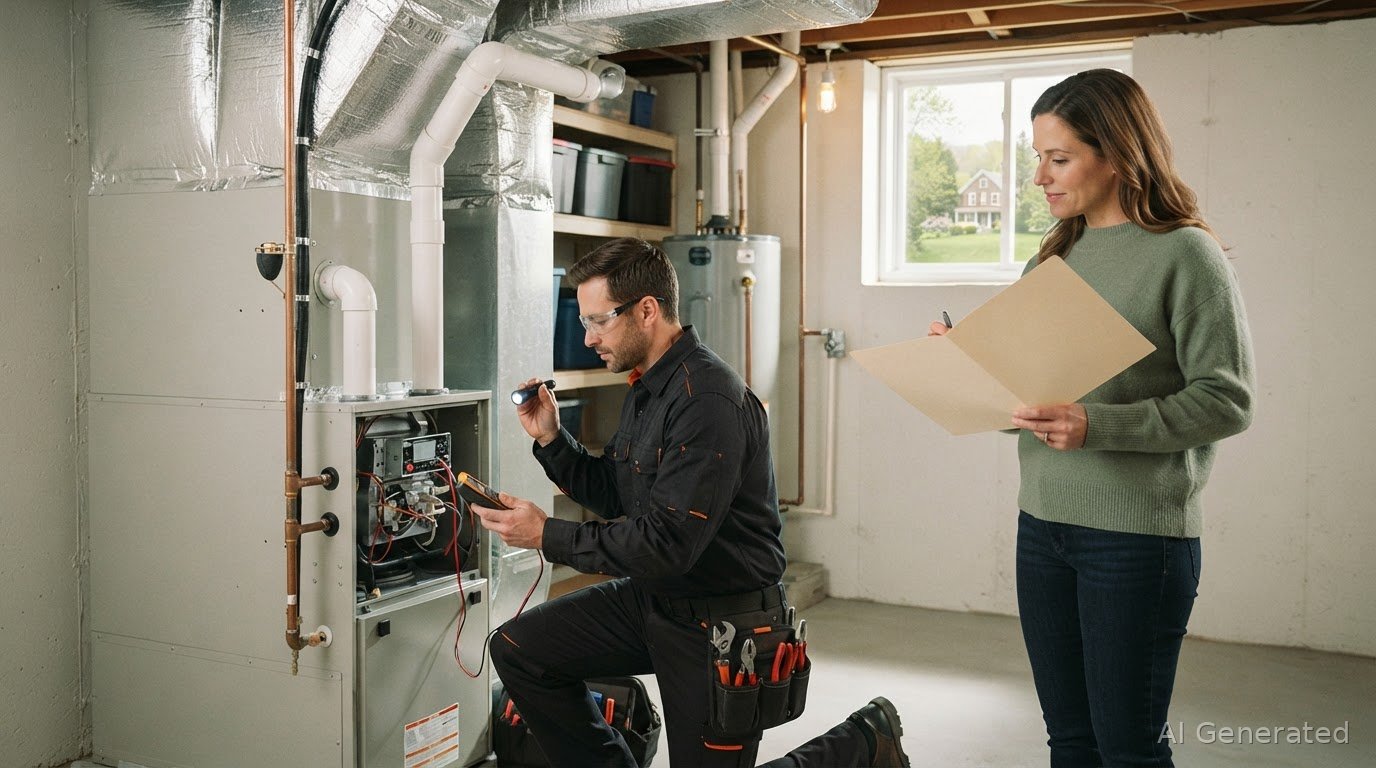
An inspection can include a visual review of accessible boiler components, venting, and controls. The technician can explain observed wear, residue, or other conditions and whether they need attention. Mention when a symptom occurs, such as a smell during startup or uneven heat in one room. Specific examples help focus the inspection.
The U.S. Environmental Protection Agency says odors at the damper, diverter, or observation ports could indicate poor combustion or insufficient draft. If you notice an odor near one of these areas, describe its location and timing. Don’t dismiss a recurring smell as normal boiler operation; its source needs to be understood.
Ask the technician to explain what was inspected and what each finding means for the boiler. If they observe a concern, request a clear explanation of the affected component and recommended next step. Keep the inspection notes with your service records to help compare future changes with the boiler’s documented condition.
Boiler Safety and Carbon Monoxide Checks
Boiler tune-up safety and carbon monoxide checks belong in the service discussion. Ask whether the appointment includes combustion testing or carbon monoxide measurement, what equipment is assessed, and how results will be explained. A clear answer distinguishes a boiler inspection from a review of household carbon monoxide alarms.
Carbon monoxide has no reliable smell, so odor alone cannot establish whether it is present. Treat an alarm or suspected exposure as an urgent safety matter, not a routine maintenance question. Follow the alarm manufacturer’s instructions and seek emergency assistance when an alarm sounds or people feel unwell.
Keep the boiler area accessible before the visit. Move stored items away from the equipment, and tell the technician about any alarm history or past combustion concerns. This makes it easier to inspect visible equipment and discuss relevant symptoms.
After an inspection, ask for findings in plain language. For example, clarify whether an odor near a vent opening was observed, what may explain it, and whether further work is recommended. For test results, ask what was measured, what the result indicates, and what action follows. Clear notes support informed decisions before winter operation increases.
Boiler tune-up services Orange County NY
For a boiler tune-up in Orange County, NY, compare the service scope, appointment process, and written findings. A clear service description explains what the technician will inspect, what adjustments may be made, and how repair recommendations will be handled. These details help you understand the purpose of the visit.
Before scheduling, gather the boiler’s make, model, fuel type, and any available service records. Describe specific symptoms, such as delayed startup, uneven room temperatures, or a new operating sound. This information helps frame the appointment around your equipment and concerns instead of a generic checklist.
Ask what the tune-up includes and how inspection and maintenance tasks differ from repairs requiring separate work. If the technician identifies a concern, ask which component is affected, what they observed, and what they recommend next. A worn part and a burner adjustment are different findings, even if both affect boiler operation.
Use this checklist when comparing service descriptions:
Which boiler components and operating controls will be inspected?
Does the visit include burner assessment or adjustment?
Will findings and recommended follow-up be documented?
How are repair needs explained and authorized?
What warranty terms apply to completed service or repairs?
Availability matters most when your schedule or heating concern is time-sensitive. Share the boiler’s symptoms when arranging the appointment, and explain whether the issue is continuous or intermittent. A boiler that stops heating differs from one that operates but leaves a particular room cool. Clear details help set expectations for the visit.
Keep the service record after the appointment. Note inspection findings, adjustments, repairs, and follow-up recommendations. If the same symptom returns, those details give the next discussion a useful starting point and help track changes over time.
Maintenance and replacement are separate decisions. A tune-up addresses the boiler’s condition and service needs; it doesn’t automatically mean replacement is necessary. If a technician recommends a major repair or a new boiler, ask what condition prompted the recommendation and how it relates to your reported symptoms. A clear explanation supports an informed decision.
Before arranging service, write down your boiler details and symptoms. Then review the service scope and any warranty terms in writing. This helps Orange County homeowners choose a visit that matches their equipment, comfort concerns, and maintenance needs.
All Types Plumbing, Heating & Air Conditioning: Hot water boiler servicing
All Types Plumbing, Heating & Air Conditioning provides hot water boiler servicing for homeowners planning maintenance or addressing a boiler concern. The technician can assess your boiler, discuss its condition, and explain recommended next steps.
Before arranging service in Orange County, NY, note the boiler’s fuel type, model information, and symptoms, such as unusual sounds or uneven heat. Sharing these details helps focus the conversation on your equipment and the reason for the visit. Keep the service record and any findings or recommendations afterward.
For related home comfort needs, the company also offers hot air furnace installation, tankless water heater upgrades, and mini-split heat pump installation. Check our webpage for our pre season specials. Contact All Types Plumbing, Heating & Air Conditioning to discuss hot water boiler servicing.
Plan Your Next Boiler Service Step
Make your next maintenance decision easier by keeping a brief record of how your home’s heating behaves. Note changes in comfort, unusual operation, and questions you want addressed. This gives the service conversation a useful starting point and helps you explain what matters most to your household.
When planning a boiler tune-up in Orange County, NY, consider your schedule and the system’s current condition together. Preparing details ahead of time makes it easier to discuss the work, understand recommendations, and decide on a practical next step.
All Types Plumbing, Heating & Air Conditioning LLC is available for homeowners looking into boiler care and related home comfort needs. Start a conversation about your boiler service needs, and take the next step toward a more informed maintenance plan. A little preparation can help you move forward with greater confidence.
Frequently Asked Questions
What is included in a boiler tune-up?
A boiler tune-up typically combines an equipment review with maintenance suited to the unit’s condition and design. Ask about the appointment scope before service, since the work can vary by boiler type and observed needs. For example, a tune-up may include checking operating controls and evaluating burner performance. Afterward, use the written findings to distinguish completed maintenance from recommended repairs or follow-up.
How does a boiler tune-up differ from maintenance or repair?
A tune-up is a focused maintenance visit, while maintenance describes ongoing care and repair addresses a specific fault. A scheduled tune-up may identify a concern, but correcting a failed component is repair work. If a boiler stops heating or makes an unfamiliar sound, describe the symptom when arranging service. Ask which work is preventive and which addresses a diagnosed problem.
best-rated boiler tune-up companies Orange County NY
Compare customer feedback with the stated service scope, warranty terms, service area, and scheduling process; ratings alone don’t show what an appointment includes.

Comments