Furnace Installation in Orange County: Financing and Rebates

A rebate may help with the budget, but it shouldn’t determine which heating system suits your home. Financing and rebate eligibility depend on the program and equipment, so neither is automatically included with every furnace installation in Orange County, NY. Installation timing also depends on the work involved, particularly whether the project includes ductwork changes.
It’s reasonable to want clear costs, a comfortable home, and a plan that doesn’t add stress. This guide explains what to consider when researching financing and rebates, why installation schedules vary, and which heating and cooling systems may suit your home.
When planning a replacement, consider the scope of the installation and how different systems can support year-round comfort. For seasonal savings, check our webpage for our pre season specials.
Table of Contents
How long does a new system installation take?
In Orange County, NY, most standard AC or furnace replacements are completed in a single day. Projects that include new ductwork can take 3 to 5 days. The installation timeline depends on the scope of work, access to equipment, and whether existing system components need changes. A written work plan helps homeowners understand the sequence and prepare rooms or pathways before work starts.
First, distinguish a repair from a replacement. A repair addresses a specific problem with existing equipment; replacement means removing and installing a system. Adding air conditioning, changing ductwork, or relocating equipment adds work to the project. Ask for a list of planned stages and which areas of your home technicians will need to access.
In Orange County, NY, permit and building-code requirements depend on the municipality and the installation scope. Before work begins, identify the local requirements that apply to your home and keep related paperwork with your project records.
Improper installation can contribute to uneven heating, restricted airflow, or recurring equipment problems. To evaluate an installer, check their license in the relevant official state records and request current insurance documentation. Before approving the work, compare the business name and details on the estimate, license record, and insurance documents.
Warranty coverage and post-installation inspections depend on the equipment documents and local project requirements. Read the manufacturer’s warranty and any separate labor terms, then keep the model information and installation records. If the project requires an inspection, file its documentation with the rest of your paperwork.
After installation, maintenance helps you track the equipment’s condition. During a furnace tune-up, a technician can review accessible components, controls, airflow, and the filter, then document any issues that need attention. Heating maintenance is also a good time to mention new noises or rooms that no longer warm evenly. These details can guide follow-up work without assuming every symptom means the system needs replacing.
If your paperwork refers to an “X Protection Plan,” read its written terms for covered maintenance, repairs, exclusions, and claim procedures. The plan documents spell out its benefits. Keep them with your service records, and log each visit and completed task to track maintenance history. For seasonal savings, check our webpage for our pre season specials.
Do you offer financing or rebates?
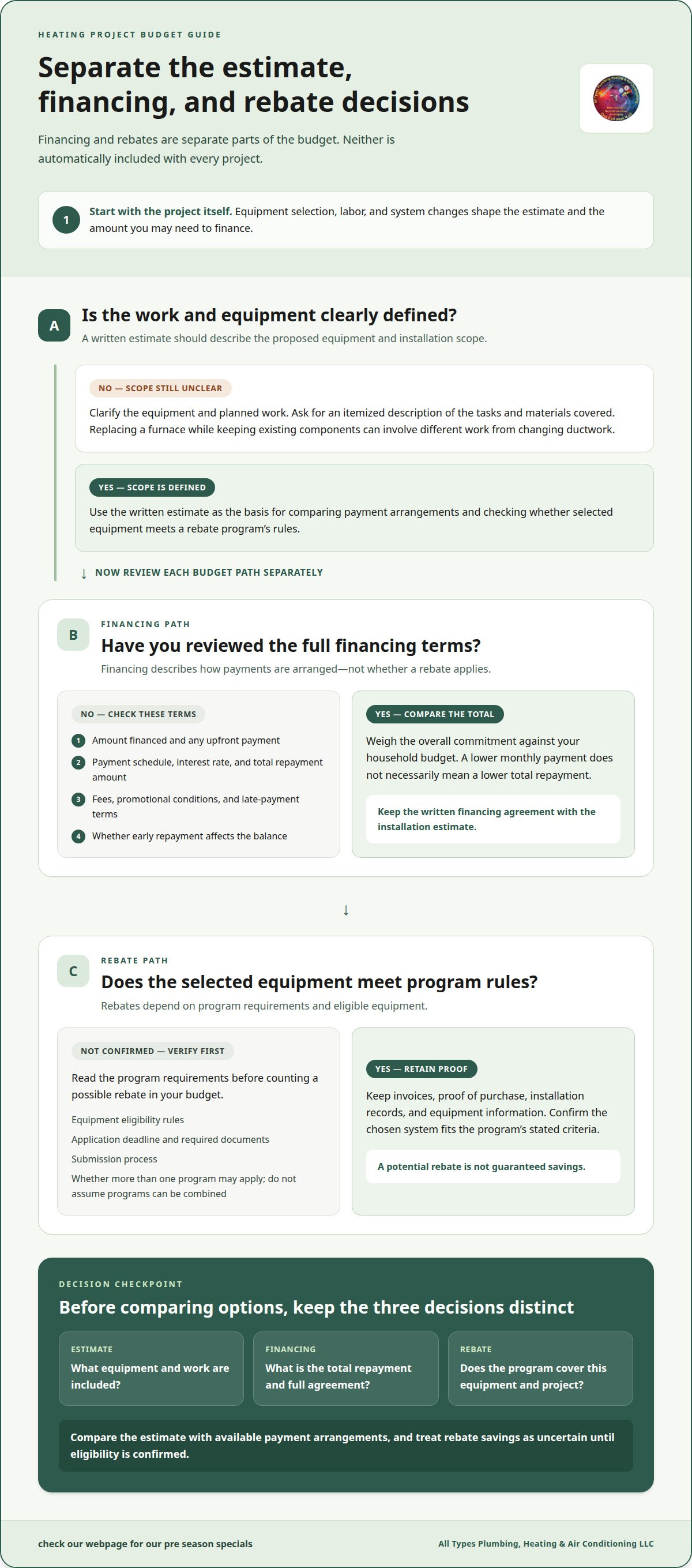
Financing and rebates are separate parts of a heating project budget. Financing describes how payments are arranged; rebates depend on program rules and eligible equipment. Neither is automatically included with every project. If you’re considering furnace installation in Orange County, first define the work and equipment, then assess payment options and possible incentives separately.
A written estimate should describe the proposed equipment and installation scope. Replacing a furnace while keeping existing system components can involve different work from a project that changes the ductwork. The price depends on the project and is provided after a quote request; equipment selection, labor, and system changes shape the estimate. Ask for an itemized description of the tasks and materials it covers.
Before signing a financing agreement, review the full terms, not just the monthly payment. Pay attention to:
The amount financed and any upfront payment.
The payment schedule, interest rate, and total repayment amount.
Fees, promotional conditions, and late-payment terms.
Whether early repayment affects the balance.
These details help you weigh the overall commitment against your household budget. Keep the written agreement with the installation estimate, and compare total repayment rather than relying only on an advertised monthly amount. For financing a furnace installation in Orange County, the equipment and project scope also matter because they determine the amount being financed.
Review rebates separately. Read the program’s equipment eligibility rules, application deadline, required documents, and submission process. An application may require proof of purchase or installation records, so keep invoices and equipment information. Confirm that the selected system fits the program’s stated criteria before including a potential rebate in your budget. If more than one program may apply, compare each set of requirements instead of assuming the programs can be combined.
When comparing options, consider how the equipment fits your home and planned work, alongside financing terms and rebate criteria. A lower monthly payment doesn’t necessarily mean a lower total repayment, and a potential rebate isn’t guaranteed savings. Write down your priorities, compare the estimate with available payment arrangements, and decide which costs fit your budget. Requesting a quote is the practical first step toward defining the work and price.
Heating and cooling equipment options
Start with the rooms that feel uncomfortable, then match the system to the problem. A furnace heats the home through its existing distribution system, while central air conditioning cools through ductwork. A heat pump can provide heating and cooling; a ductless mini-split can serve selected rooms without relying on the same ducted setup. The right comparison depends on your home’s layout and comfort needs.
For example, if a bedroom is consistently chilly, consider the ductwork, how the room is used, and whether a ductless option could suit it. A home with existing ducts may be a candidate for central equipment, but damaged or poorly balanced ducts can affect comfort regardless of the equipment. Consider which rooms need heating or cooling, how often they’re used, and whether the project covers one space or the whole house.
System age can also guide planning. Orange County air-conditioning systems commonly last about 12 to 15 years with regular maintenance. If an AC system approaches that range, compare its condition and performance with the comfort needs of the household. An emergency breakdown calls for a different immediate response than a planned replacement, so note recurring issues and temperature differences before discussing options.
Bryant and Payne are equipment brands homeowners may encounter in Orange County. A brand name alone doesn’t establish which system suits a particular home. Compare the proposed equipment type, how it meets your heating or cooling needs, and whether it works with existing ducts and controls. Ask for the model and system type in the written proposal so you can compare options clearly.
Indoor air quality is another consideration alongside heating and cooling. Start with specific observations: note persistent dust, stale-feeling rooms, or differences between occupied spaces. Include existing filtration and airflow in the system discussion. An air-quality concern doesn’t automatically mean a new furnace is the answer; the issue may involve airflow, filtration, or another part of the home’s setup. Describe the concern as specifically as possible.
Use this short comparison list to organize the decision:
Whole-home comfort: compare central heating and air conditioning with the existing duct layout.
Room-specific needs: consider whether a ductless mini-split could address selected spaces.
Year-round operation: compare a heat pump’s heating and cooling role with the household’s usage.
Indoor air concerns: describe the rooms and symptoms, then review airflow and filtration.
To consider potential savings, think about how the system fits daily use, not just its equipment label. A written comparison of system type, installation scope, and affected rooms makes trade-offs easier to assess. In Orange County, NY, this review can help you choose equipment based on comfort, layout, and maintenance needs rather than brand recognition alone.
AC, furnace, heat pump, and ductless mini-split installation
System selection and installation scope affect comfort, energy use, and how well equipment fits the home. A load calculation connects equipment capacity to the building’s needs.
Professional Furnace Installation Steps
Professional furnace installation starts with a review of the home and existing equipment. The installer uses factors such as square footage, insulation, windows, and ductwork for the load calculation. The work plan then identifies equipment placement and required connections. After installation, the system is started and its operation checked. Review the completed scope, equipment details, and warranty documents before filing them for future reference.
Installation by Equipment Type
AC installation focuses on cooling equipment and its connection to the home’s distribution system. Furnace installation focuses on heating, while heat pumps provide both heating and cooling. A ductless mini-split serves selected spaces without relying on the same ducted setup. Before choosing equipment, compare which rooms need comfort control, the condition of existing ducts, and the project scope.
Capacity matters. One ton of cooling equals 12,000 BTU per hour, so an AC system’s size should reflect the home’s calculated cooling needs. A load calculation weighs square footage alongside insulation, windows, and ductwork. Choosing capacity by floor area alone can miss important differences between homes. For instance, two houses with similar square footage may have different insulation or window conditions.
Existing ducts deserve attention during a replacement. The installer can assess whether the duct layout suits the planned equipment and whether ductwork changes are part of the project. A room with airflow problems may have a distribution issue, not just an equipment issue. Describe the affected areas during project planning so the proposed work addresses your comfort concerns.
Installation plans also vary by system. A central AC or furnace typically connects to the home’s existing distribution system, while a ductless mini-split uses indoor units in selected spaces. A heat pump should be selected to meet the home’s heating and cooling needs. The work plan should state which equipment will be installed and which parts of the existing system will remain.
Before signing off, organize the final records:
Keep the equipment model and installation paperwork together.
Review warranty documents and retain their terms.
Note any operating instructions provided at handover.
Record which rooms or system components the project covers.
These details provide a useful reference for maintenance and future service. A clear scope also helps distinguish equipment concerns from duct or room-comfort issues. In Orange County, NY, matching the installation plan to your home’s layout keeps the decision focused on practical heating and cooling needs.
Which furnace types and brands are available from Orange County HVAC contractors?
The available options depend on your home’s heating setup, ductwork, and the equipment being installed. In Orange County, NY, homeowners can compare hot-air furnaces, heat pumps, and ductless mini-splits as different approaches to home comfort. Start with the home, not a brand label. Consider which rooms need heat, the existing distribution system, and whether cooling is part of the project.
Furnaces vary by model and features, but a brand name alone doesn’t tell you which one will fit best. Ask for the proposed model and an explanation of how it meets your home’s needs. For example, when replacing a furnace, consider the equipment alongside the existing duct layout and comfort problems, such as a bedroom that stays colder than the rest of the house.
Brand availability varies among contractors and equipment lines. Use the written proposal to identify the exact brand and model being considered rather than assuming every contractor carries the same products. Compare the equipment’s stated features, warranty documents, and service requirements. Keep those details together for future maintenance or repair discussions.
System sizing matters as much as the name on the cabinet. A load calculation considers square footage, insulation, windows, and ductwork. Those factors help determine the system capacity suited to the house. Cooling capacity is measured in tons, with one ton equal to 12,000 BTU per hour. A contractor should connect the selected capacity to the home’s characteristics rather than relying on floor area alone.
Consider alternatives to a furnace if your home’s needs point elsewhere. A heat pump provides heating and cooling, while a ductless mini-split can serve selected spaces. Central AC addresses cooling needs. For example, uneven temperatures may call for a closer look at the duct arrangement as well as the equipment. Compare systems based on the areas they serve and how your household uses them.
Age can help frame the decision. Air-conditioning systems in Orange County typically last about 12 to 15 years with regular maintenance. If an AC system is near that age, consider its condition and whether the household wants to plan a broader equipment update. A furnace may have a different service history, so assess each system on its own rather than treating the AC’s age as a furnace replacement rule.
Use a simple checklist when reviewing proposals: record the equipment type, brand, model, capacity, rooms served, and warranty terms. Then compare each proposal with your home’s heating and cooling priorities. In Orange County, NY, this keeps the decision grounded in the actual installation rather than assumptions that one brand or equipment type is always best.
All Types Plumbing, Heating & Air Conditioning: Hot water boiler servicing
All Types Plumbing, Heating & Air Conditioning provides hot water boiler servicing for homeowners who need help maintaining their heating system. If your boiler needs attention or you’re planning an upgrade, describe the issue to help focus the next steps.
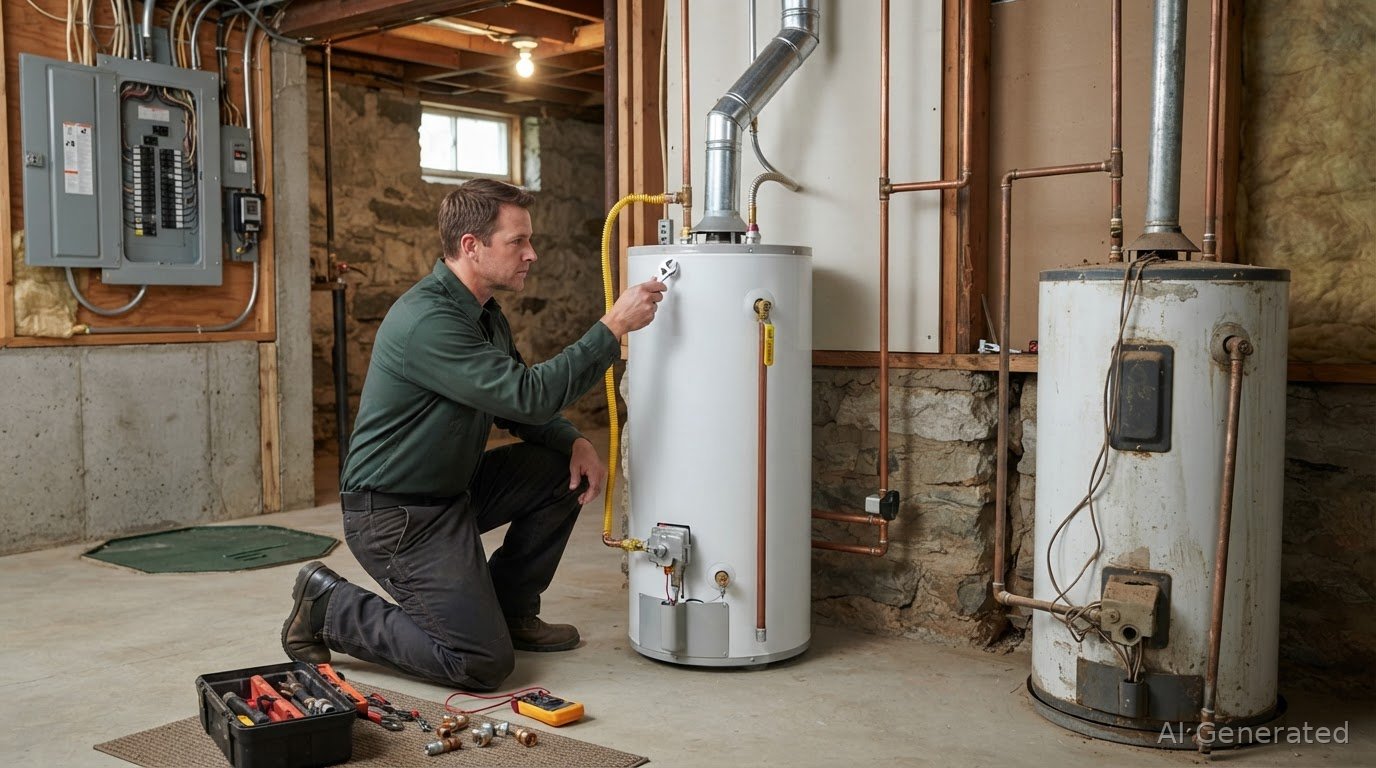
The company also offers hot-air furnace installation, tankless water heater installation and service, and mini-split heat pump installation. These options address different household needs, from replacing a furnace to adding ductless heating and cooling. Share which areas need attention and what changes you’re considering to keep the discussion focused on your home.
For help with boiler servicing or another heating option, contact All Types Plumbing, Heating & Air Conditioning to discuss your project.
Make Your Next Heating Decision With Confidence
Choosing equipment is only one part of creating a comfortable home. The next step is turning your priorities into a clear project plan, whether you’re preparing for furnace installation in Orange County, considering a tankless water heater upgrade, or arranging hot water boiler servicing. All Types Plumbing, Heating & Air Conditioning provides these services to help homeowners address specific heating and hot-water needs.
Before you reach out, note which rooms feel uncomfortable, what equipment you have now, and what you’d like a new system to improve. Those details help focus the conversation on your home and the work you’re considering. For seasonal savings, check our webpage for our pre season specials.
When you’re ready to discuss your project, contact All Types Plumbing, Heating & Air Conditioning. A thoughtful next step can make planning feel more manageable and put you on the path toward dependable comfort at home.
Frequently Asked Questions
How much does a new furnace cost?
A new furnace’s price depends on the equipment and installation scope, and a project-specific price is provided after a quote request. Factors include the selected system, your home’s existing setup, and whether the work requires ductwork changes. For a useful estimate, describe any comfort problems and share details about the current system. This helps define the work being priced instead of relying on a broad average.
Should I replace my AC and furnace at the same time?
Consider replacing both systems together only if each needs attention and the combined work fits your plans. For example, if the AC cools reliably and only the furnace needs replacing, replacing both may not address your immediate needs. If both systems are aging or causing comfort problems, compare the scope of a combined project with separate work. The equipment and existing connections help shape the decision.
What size system do I need?
The right system size comes from evaluating the home, not choosing equipment by appearance or a neighbor’s setup. A load calculation considers square footage, insulation, windows, and ductwork. For example, two homes with similar floor areas may need different capacities if their insulation or window conditions differ. Share details about rooms that stay too warm or cold, since those patterns can help explain comfort concerns.
What is the average cost to install a furnace in Orange County?
In Orange County, NY, furnace installation pricing depends on the project, and a project-specific price is provided after a quote request. Equipment selection, your home’s existing system, and any ductwork changes affect the scope. A useful estimate should make clear which equipment and work it includes. Describe your current setup and any comfort concerns so the quote reflects your home’s installation needs.
How do furnace installation costs vary by size, efficiency, and fuel type?
Installation pricing varies with the equipment selected and the work needed to fit it into your home. Capacity and efficiency features can affect equipment requirements. Fuel type may also influence the installation scope because the proposed system must suit your home’s existing setup. Compare written proposals by equipment model, capacity, fuel type, and included work rather than focusing on one feature alone.
How do I choose the right furnace size for my Orange County home?
Ask for a home-specific load calculation and describe how the house performs in daily use. Square footage, insulation, windows, and ductwork all help determine capacity. Note specific examples, such as a room that stays chilly or temperatures that vary between floors. These observations add useful context to the building details and keep sizing focused on household comfort, not floor area alone.
How long does furnace installation usually take?
The schedule depends on the installation scope and whether the work includes ductwork changes. A straightforward replacement using the existing setup involves a different sequence from a project that requires additional modifications. Before work begins, review the planned tasks, equipment placement, and any work affecting connected systems. This gives you a clearer picture of the installation and helps you plan around access to the work area.
What should I compare when getting furnace installation quotes in Orange County?
Compare the proposed equipment model, capacity, installation scope, and warranty documents. Check whether each quote describes the same work, including ductwork changes, so you’re comparing like with like. For example, proposals may differ because one includes additional system modifications. Ask for the work details in writing, then assess how each option fits your home’s comfort needs and existing setup.

Comments