Plumbing Pipe Replacement for Older Orange County NY Homes

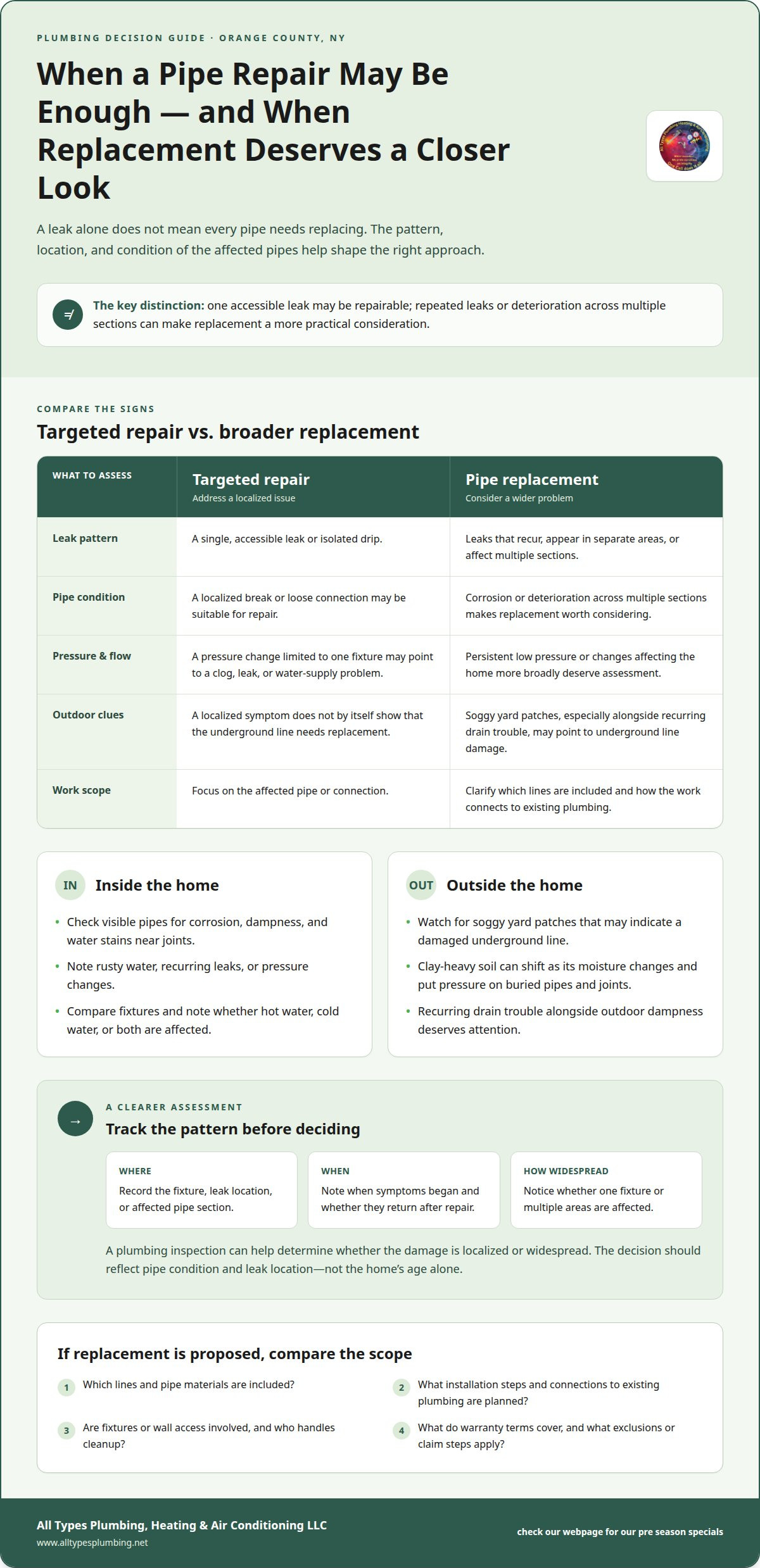
A leak doesn’t automatically mean every pipe in an older home needs replacing. Plumbing pipe replacement in Orange County, NY, may be appropriate when corrosion, recurring leaks, or damage to an underground line points to a broader problem. An isolated issue may be resolved with a repair.
It’s reasonable to want a clear answer before work begins, especially when low water pressure or signs of a leak disrupt your home. Sudden pressure changes, or changes affecting just one fixture, may point to a clogged pipe, a leak, or a water-supply problem. Soil movement can also affect underground pipes over time.
This guide explains how aging pipes, shifting soil, and warning signs such as soggy yard spots or frequent drain clogs can help you understand what may be happening. You’ll learn how repair and replacement differ, what a replacement project can involve, and which factors shape the right approach, so you can make a more informed decision about restoring dependable plumbing.
Table of Contents
Clay-heavy soils and shifting underground pipes
In Orange County, NY, soil movement can stress buried plumbing, while aging materials can make existing weaknesses more noticeable. Watch for changes around your home and track whether plumbing symptoms recur.
Signs Pipes May Need Replacement
Look for a pattern, not just one drip. Repeated leaks in separate areas, persistent low pressure, or rusty water can suggest a wider pipe problem. Outside, soggy yard patches may point to a damaged underground line, especially when accompanied by recurring drain trouble.
Clay-heavy soil can shift as its moisture changes, putting pressure on buried pipes and their joints. Note where symptoms occur, when they began, and whether they return after a repair. This record can help distinguish one isolated leak from failures across the plumbing system.
Check visible pipes for corrosion, dampness, or water stains near joints. A single accessible leak may be repairable; repeated leaks or damage across multiple sections can make replacement a more practical consideration. A licensed professional can inspect the affected pipe and assess whether the problem is localized or widespread.
Low Pressure and Clogged Pipes
Sudden low pressure, or pressure that drops at only one fixture, can point to a clogged pipe, a leak, or a water-supply problem. Compare a kitchen faucet with a bathroom faucet, then note whether hot water, cold water, or both are affected. This simple check helps you describe the pattern accurately.
Clogs can restrict flow, while a leak may divert water before it reaches a fixture. Frequent drain clogs, foul odors, gurgling toilets, and slow drains can also signal sewer line damage. These signs don’t prove a pipe needs replacement, but recurring symptoms deserve attention rather than repeated temporary fixes.
Record which fixtures are affected and whether pressure changes when other taps run. For example, a weak shower and a normal kitchen faucet suggest a different pattern from low pressure throughout the home. A plumbing inspection can trace the difference and help determine whether repair or broader replacement is appropriate.
Risks of Delaying Replacement
Delaying work on old or leaking pipes can allow leaks to continue, damage nearby floors or walls, and turn a contained repair into a more disruptive problem. If damp soil appears near a buried line, the leak may remain out of sight while the surrounding area stays wet.
Recurring leaks can interrupt daily tasks, from washing dishes to getting reliable hot water. A pipe that fails again after repair may signal deterioration beyond one joint. Recording the location and symptoms promptly gives a plumber useful details to assess the affected section.
For plumbing pipe replacement in Orange County, NY, the decision depends on pipe condition, leak location, and whether the problem is isolated or recurring. Don’t treat every pressure change as proof that replacement is needed. A careful assessment can help avoid unnecessary work while addressing damage before it becomes more costly.
What are common plumbing issues in older South Orange County homes?
Older homes can develop corroded pipes, recurring leaks, low pressure, sewer line deterioration, and poor drainage. The right response depends on where symptoms occur and whether they return after repair.
Start by noting which fixtures are affected, whether water pressure changes, and where leaks appear. A drip beneath one sink, for example, differs from repeated damp spots across several rooms. Mineral buildup can affect fixtures too, but recurring leaks or widespread pressure changes warrant a broader pipe assessment.
How can I compare plumbing replacement quotes and warranties? Compare the stated work area, pipe materials, installation steps, and cleanup responsibilities. Review warranty terms for covered materials, workmanship, exclusions, and claim steps, rather than comparing totals alone.
Do Orange County, NY plumbing permits or inspections apply to pipe replacement? Requirements depend on the project scope and the local jurisdiction where the home is located. Ask whether the proposed work involves a permit or inspection, especially when replacing a larger section or altering existing plumbing.
Does homeowners insurance cover pipe replacement in New York? Coverage depends on the policy wording, the cause of failure, and the damage involved. Read the policy’s exclusions and claims instructions; a sudden leak and a worn-out pipe may be treated differently.
Leak Detection and Repair
Leak detection focuses on locating the source before choosing a repair. Check visible joints, cabinets, ceilings below bathrooms, and the area around the water heater for moisture or staining. A plumber can trace the affected line and distinguish an active leak from nearby condensation or an old water mark.
Record the location and timing of each symptom. A leak that returns at the same joint may need a different repair from an isolated drip. This history helps narrow the work area and avoid replacing pipe sections without evidence of damage.
Pipe Repair and Replacement
A localized break or loose connection may be suitable for a targeted repair. Replacement becomes a stronger consideration when corrosion, repeated leaks, or deterioration affects multiple sections. The decision should reflect the pipe’s condition and the extent of damage, not the home’s age alone.
For an installation, clarify which lines are included and how the work connects to existing plumbing. Ask for the proposed scope in writing, including whether fixtures or wall access are involved. These details make plans easier to compare and help prevent confusion about the finished work.
Plumbing services can also address poor drainage and related pipe damage. Describe symptoms with specific examples, such as a recurring backup in one bathroom or dampness near a basement line. For seasonal planning, visit our webpage to see our pre-season specials.
Leak repair and emergency plumbing
An active leak can damage finishes while water continues escaping from a pipe, fixture, or connection. In Orange County homes, the first task is to limit water flow and identify the area needing attention. A dripping faucet differs from a burst line beneath a sink, but either deserves a clear repair plan.
Start with the nearest fixture shutoff if the leak is under a sink or toilet. If water continues flowing, use the home’s main shutoff valve, if accessible, and note where the leak began. A photo of a wet cabinet, ceiling stain, or pipe joint can help explain the problem. Don’t cover the leak before its source is located.
For a leak or backup, record these details before arranging repair:
Which fixture or room is affected, such as a basement laundry area.
Whether water is actively flowing or the surface is only damp.
Whether the issue affects hot water, cold water, or both.
Whether a drain backup, odor, or gurgling sound appeared at the same time.
These observations help distinguish a supply-line leak from a drainage issue. For example, a wet area beneath a bathroom sink points toward its supply connections or drain assembly. A soggy yard spot combined with recurring household backups may indicate an underground sewer problem. The location and combination of symptoms help guide the inspection.
Drain cleaning can address a blockage, but chemical drain cleaners can damage pipes over time. Repeated clogs, foul odors, or gurgling drains call for attention to the cause, not just another attempt to clear the symptom. A professional assessment can determine whether cleaning, a localized repair, or pipe replacement suits the condition of the line.
Some plumbing emergencies are obvious, such as water pouring from a failed connection. Others build gradually: a recurring leak, a widening ceiling stain, or a drain that repeatedly backs up. Keep a short timeline of these changes, including which fixtures were used. That record helps distinguish an isolated failure from a persistent plumbing issue.
After containing the immediate leak, inspect nearby cabinets, floors, and walls for new dampness. If the same pipe or joint leaks again, note the date and exact location rather than treating each incident as unrelated. In commercial plumbing settings, recording affected fixtures and service interruptions also helps clarify the repair scope. At home, these details help determine whether targeted repair is sufficient or replacement merits consideration.
Older-home pipe corrosion and leaks
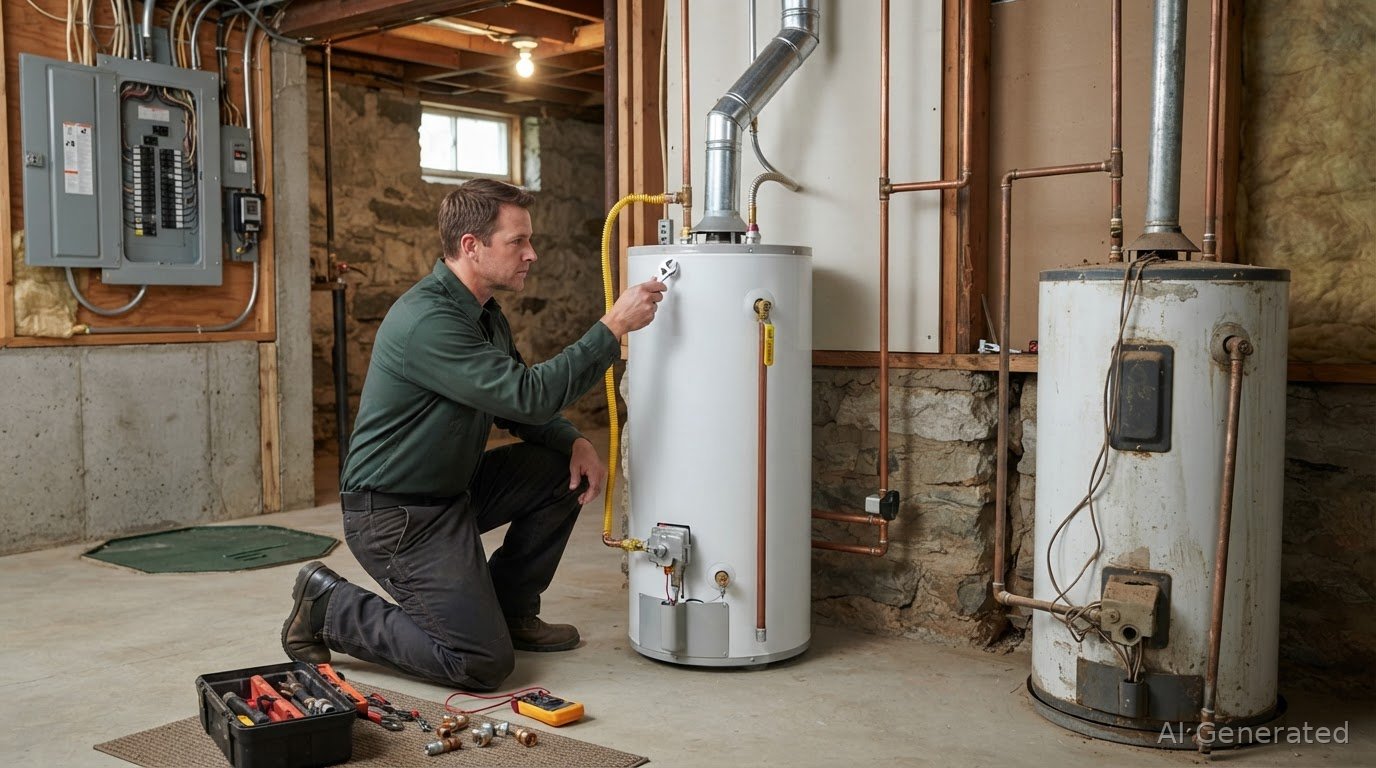
Corrosion can gradually weaken older pipes, making small changes worth tracking. Rusty water, unusual banging or rumbling, and pooling near a water heater are warning signs that it may need repair or replacement. Note where each symptom appears and whether it returns after water use.
Start with a simple inspection of visible plumbing. Look beneath sinks, around exposed basement lines, and near pipe connections for rust, dampness, or stains. Check whether discolored water clears after the tap runs, and record which fixtures show it. One symptom alone doesn’t establish the cause, but a recurring pattern gives an inspector useful details.
Corrosion inside a pipe can narrow its passage, reducing water pressure at connected fixtures. If a kitchen faucet runs weakly while a nearby bathroom fixture works normally, the issue may be limited to one branch. If several fixtures lose pressure, note the broader pattern. Comparing hot and cold taps can also help identify whether symptoms affect one supply line.
Leaks often leave evidence before a pipe visibly fails. Check for recurring damp spots, fresh stains, peeling paint, or moisture beneath a particular joint. A water meter that continues moving when fixtures are off can also flag possible leakage, though it won’t identify the damaged section. Record the location and timing for a more focused inspection.
A useful next step is to separate symptoms by system:
Water supply: Note rusty water, a pressure change, or a leak at an exposed connection.
Drain lines: Track slow drains, repeat backups, or moisture near a drain assembly.
Water heater: Record rusty water, rumbling, corrosion, or pooling around the unit.
That distinction matters because a drain blockage and a corroded supply pipe need different responses. A localized leak may be repaired; repeated leaks or visible deterioration across connected sections may make replacement worth considering. The inspection should identify the affected pipe, the extent of corrosion, and whether nearby connections show similar wear.
Lead service lines require particular attention. According to the U.S. Environmental Protection Agency, identifying and replacing lead service lines is an important way to reduce exposure to lead in drinking water. Replacing these lines removes a significant source of lead exposure, making identification a practical first step for homeowners concerned about their service line.
After repairs or replacement, check whether the original symptom has changed. Run the affected fixture, compare water pressure with another tap, and check the repaired area for fresh moisture. If rusty water, unusual noise, or pooling returns, document the change and arrange further evaluation. A clear record helps determine whether the work restored dependable flow or revealed a wider plumbing issue.
Pipe replacement and plumbing installation
Replacement planning starts with the damaged line, the plumbing system around it, and your home’s needs. A clear scope helps distinguish targeted work from broader repiping.
Comparing Copper, PEX, and CPVC
Should I repipe with copper, PEX, or CPVC? No single material suits every home. Compare how each option fits existing connections, pipe routing, and the specific installation plan. The condition of nearby plumbing and the scope of replacement also matter.
For example, replacing one accessible section may involve different connections than repiping several rooms. Review the proposed material and transition points, including how new pipe will connect to existing lines. A clear explanation helps you understand what will be installed and why it suits the work area.
Factors Affecting Replacement Costs
What factors affect pipe replacement costs in Orange County homes? The price depends on the case and is provided after a quote request. Main factors include pipe length, accessibility, material, number of connections, and whether walls or floors need to be accessed.
A short, exposed basement run differs from concealed piping routed through finished rooms. The quote should identify the affected sections, installation scope, materials, and any related repairs. If buildup or a clogged line also needs attention, clarify whether that work is included or separate.
Ask for the scope in writing. Compare the same work items rather than relying on a total alone. Include preparation, access, reconnection, and cleanup details where relevant. These specifics make it easier to understand what the planned replacement covers.
Pipe Replacement Contractors
Which plumbing contractors replace pipes in Orange County, NY? Pipe replacement is performed by plumbing contractors who handle leak detection, pipe repair, replacement, and plumbing installation. Choose a contractor who can explain the affected lines, proposed materials, and project scope in plain language.
A useful assessment connects symptoms to the work plan. For instance, recurring leaks along one run may call for targeted replacement, while deterioration across several connected lines may require a broader scope. The written plan should name the sections being replaced and explain how they’ll connect to the rest of the system.
Before work begins, map the affected fixtures and rooms, then review the installation sequence. Confirm how water service will be managed during the work, which areas need access, and how the finished lines will be checked. These details help you prepare the space and understand the project’s practical impact.
Material selection is only one part of a durable installation. Properly connecting new sections, addressing the source of recurring trouble, and checking the plumbing system after work all matter. A replacement that leaves a failing adjacent section untouched may not resolve symptoms across the home.
Lead service lines deserve separate consideration. According to the U.S. Environmental Protection Agency, identifying and replacing lead service lines is an important way to reduce exposure to lead in drinking water. Identify the service line and include its condition in the replacement discussion.
All Types Plumbing, Heating & Air Conditioning: Hot water boiler servicing
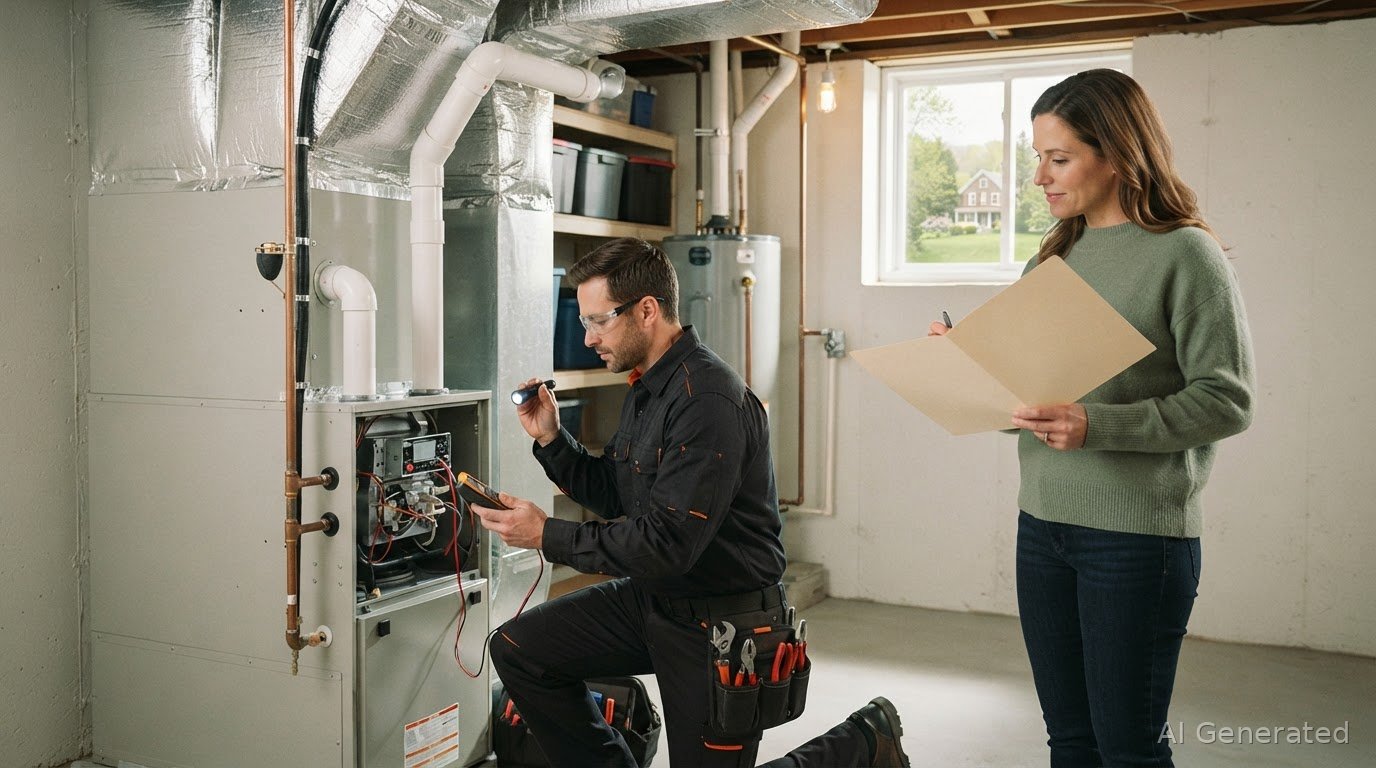
All Types Plumbing, Heating & Air Conditioning LLC can help when an older home has boiler concerns alongside plumbing issues. If the home’s hot water is inconsistent or the boiler shows signs of trouble, hot water boiler servicing addresses the heating system itself. Pipe replacement and boiler servicing address different parts of the home, so describe the symptoms you’re seeing.
For example, note whether the concern involves a leaking pipe, changing water pressure, or a boiler that isn’t providing steady hot water. Clear details help direct the conversation toward the relevant work. Visit our webpage for our pre-season specials.
For help with hot water boiler servicing, contact All Types Plumbing, Heating & Air Conditioning LLC.
Plan the Next Step for Your Home
Use the symptoms you’ve recorded to make the next conversation specific: identify the affected rooms, describe when the issue occurs, and note any repairs that haven’t lasted. This practical record can help focus an assessment on the plumbing work your home needs, rather than assumptions based on age alone.
For plumbing pipe replacement in Orange County, NY, All Types Plumbing, Heating & Air Conditioning LLC offers leak detection and pipe replacement. The company also provides hot water boiler servicing, hot-air furnace installation, and tankless water heater upgrades for homeowners addressing related home comfort needs.
A clear next step can make a disruptive plumbing concern feel more manageable. Contact All Types Plumbing, Heating & Air Conditioning LLC to discuss the plumbing issue and move toward a practical plan for your home.
Frequently Asked Questions
Are your plumbers licensed and insured?
I can’t truthfully confirm that All Types Plumbing, Heating & Air Conditioning’s plumbers are licensed and insured. Licensing and insurance are separate credentials, and evidence of one doesn’t establish the other. A responsible yes requires current documentation for both. Don’t treat a description of plumbing or pipe replacement services as proof of either credential.
What are signs that a home needs pipe replacement?
Repeated leaks in separate areas, recurring repairs on different pipe sections, or persistent problems affecting several fixtures can point to broader deterioration. A single dripping connection may need only a focused repair. Keep a record of where repairs were made and whether trouble returns nearby; this history helps distinguish an isolated fault from a pattern across the home’s plumbing.
How long does whole-house repiping take?
The work schedule depends on the repiping scope, access to existing lines, and how much finished wall or floor space needs to be opened. Mapping the system, replacing pipe, reconnecting fixtures, and checking the new lines are distinct parts of the job. A home with accessible piping calls for a different work plan from one with concealed runs through several rooms.
What is the process for replacing plumbing pipes in a house?
The process begins by identifying affected lines and defining the replacement scope. Next, the work area is prepared and old pipe sections are removed. New lines are installed and connected to existing plumbing and fixtures. The system is then checked for leaks and proper flow before access areas are closed or restored. A written scope helps you understand which rooms and connections are involved.

Comments