Cost to Replace Cast Iron Plumbing: A Homeowner’s Guide

What if the pipe material isn’t the biggest factor in your estimate? The cost to replace cast iron plumbing often depends just as much on where the pipes run, how much needs attention, and what must be opened or restored to reach them. If you’re concerned that hidden damage could expand the job, or unsure whether a repair is enough, a generic price-per-foot figure won’t tell the whole story.
This guide explains the project details that shape an estimate, including pipe condition, length, access, and restoration. You’ll also learn how to compare a focused repair with replacement and what information to gather before arranging an evaluation. In Orange County, NY, All Types Plumbing, Heating & Air Conditioning LLC provides leak detection and pipe replacement. A free evaluation can help clarify the work your home may need. Knowing where you’ve noticed symptoms, when they began, and which areas are affected can make that conversation more useful. For service details, check our webpage for our pre season specials.
Table of Contents
Cost to Replace Cast Iron Plumbing: What to Know First
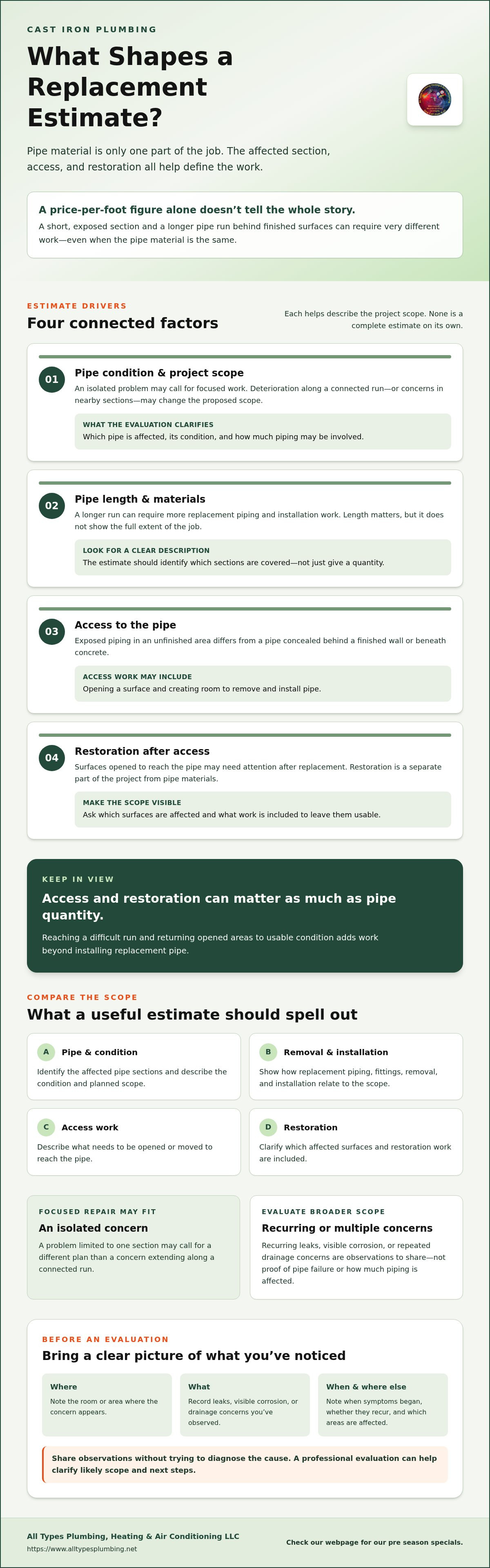
The cost to replace cast iron plumbing can’t be judged accurately from a standard price-per-foot figure alone. A short, exposed section and a longer run behind finished surfaces may involve very different work, even if the pipe material is the same. Start by understanding which piping is affected and what it will take to reach it.
What does cast iron plumbing replacement include?
The phrase can describe removing and replacing one damaged section, or a larger connected run if an evaluation shows the concern extends beyond one spot. Cast iron is commonly associated with drain, waste, and vent piping, as well as some sewer piping. That scope differs from replacing household water-supply lines. Neither situation automatically means every plumbing pipe in a home needs replacement.
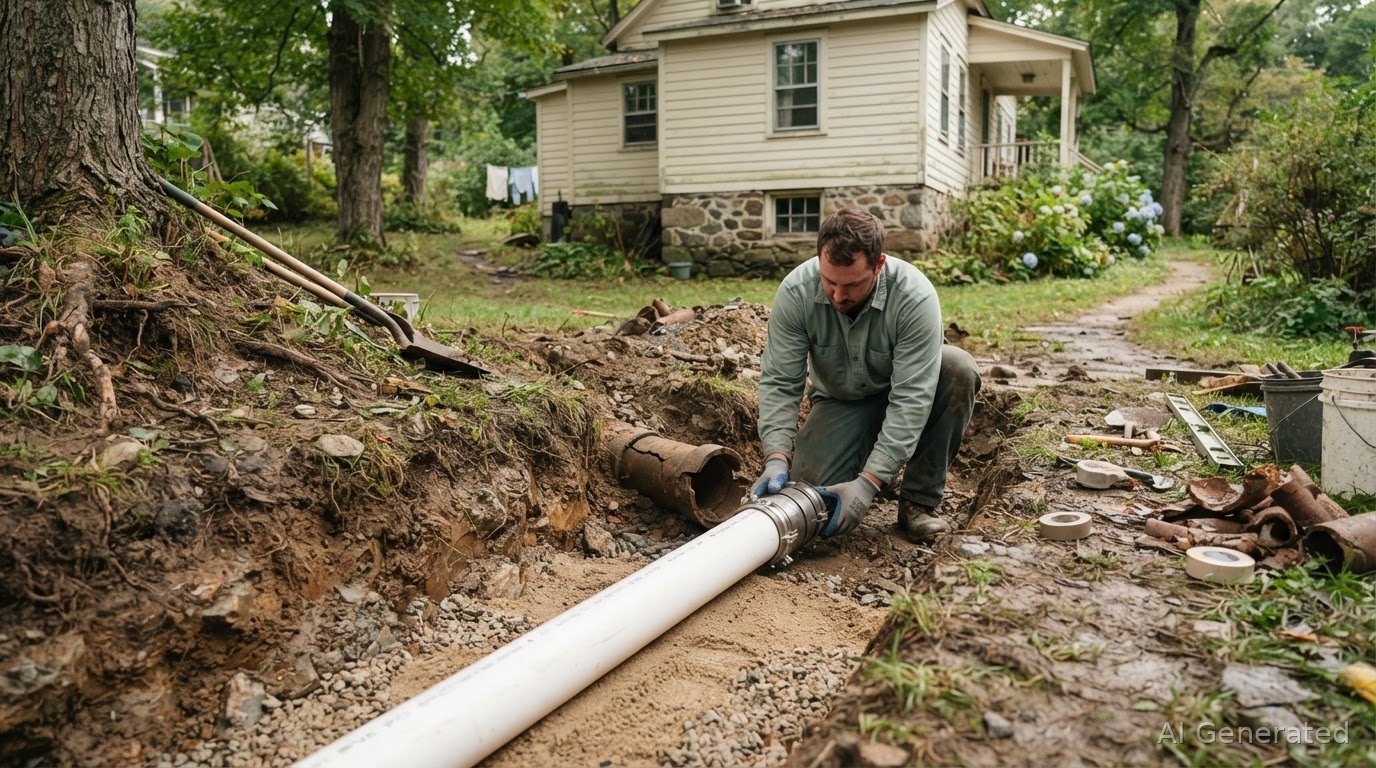
The work may involve removing the affected pipe, fitting replacement piping, and restoring surfaces opened for access. Which steps apply depends on the pipe’s route and condition. For background on cast iron pipe types and issues such as corrosion and tuberculation, see Cast Iron Pipe.
A useful replacement estimate reflects the actual pipe, its condition, the access required, and the restoration involved, not a generic length-based figure alone.
When does a homeowner start considering replacement?
Recurring leaks, visible corrosion, or repeated drainage concerns can be reasons to arrange an evaluation, especially when a problem returns after attention or appears in more than one place. These signs don’t prove that a cast iron pipe has failed or show how much piping may be affected. They’re observations to share so the condition and likely scope can be assessed.
If the source of moisture isn’t clear, hidden plumbing leak detection is a useful topic to explore alongside the symptoms you’ve noticed. Record where the concern appears and whether it recurs, rather than trying to identify the cause yourself.
Four details help explain why one project may differ from another:
Affected section: Is the concern limited to one accessible area, or does it involve a longer connected run?
Pipe condition: What does an evaluation reveal about the pipe beyond the visible symptom?
Access: Is the pipe exposed, or would walls, floors, or other finished areas need to be opened?
Restoration: What surfaces or parts of the home may need repair after access and pipe work?
In Orange County, NY, All Types Plumbing, Heating & Air Conditioning LLC provides leak detection and pipe replacement. A clear evaluation can help distinguish an isolated repair from a broader replacement need and keep the proposed work tied to the pipe’s condition and access. For service information, check our webpage for our pre season specials.
Which Factors Shape the Cost to Replace Cast Iron Plumbing?
The cost to replace cast iron plumbing reflects more than how much pipe is removed. The work depends on the condition and route of the affected piping, how it can be reached, and what parts of the home need attention afterward. For homeowners in Monroe, Chester, Goshen, Maybrook, Hamptonburgh, Campbell Hall, Central Valley, Washingtonville, Highland Mills, Blooming Grove, Montgomery, New Windsor, Woodbury, and Fort Montgomery, these details help turn a general concern into a clearly defined project scope in Orange County, NY.
How pipe condition and project scope affect an estimate
A problem confined to one section may call for a different plan than deterioration that continues along a connected run. An evaluation needs to establish which pipe is affected, how much piping is involved, and whether nearby sections change the recommended scope. Pipe length matters because a longer run can require more material and installation work, but length alone doesn’t show the full extent of the job.
Labor and materials are direct parts of replacement work. The amount and type of replacement piping, fittings, removal, and installation all relate to the scope. If the affected area is localized, the work may stay focused. If concerns extend farther along the run, the project may involve additional removal and installation. A useful estimate describes the planned work, rather than presenting a quantity without explaining which sections it covers.
Why access and restoration change the work
Accessible piping in an unfinished area is different from a pipe concealed behind a finished wall or beneath concrete. In a hard-to-reach location, the work may include opening a surface, creating room to remove and install pipe, and restoring the area afterward. These steps can add labor and coordination beyond the pipe work itself.
Restoration is a separate consideration from replacement materials. A homeowner should understand which surfaces are affected by access and what work is included to leave those areas in usable condition. The pipe route, surrounding construction, and amount of access needed all matter. No access method is suitable for every property; the building layout and pipe condition shape the practical approach.
Access and restoration can matter as much as pipe quantity. Reaching a difficult run and returning opened areas to usable condition adds work beyond installing replacement pipe.
To organize project details, note what you know in a simple scope summary:
Location: Identify the room or area where the concern appears and where the piping may run.
Symptoms: Record recurring leaks, visible corrosion, or drainage concerns, including when and where you noticed them.
Access: Mention whether the area is open, finished, or beneath a concrete surface.
Prior work: Describe any earlier repair or work in the same area, if known.
This isn’t a diagnosis. It gives an evaluation a practical starting point and keeps the discussion focused on the affected pipe, access needs, and possible restoration. All Types Plumbing, Heating & Air Conditioning LLC provides a free evaluation for plumbing concerns in Orange County, NY. You can request an evaluation for pipe replacement to discuss the conditions affecting your home.
Repair or Replace Cast Iron Plumbing: How to Compare the Options
A leak doesn’t automatically mean the whole cast iron system needs replacing. If the affected area is limited, a focused repair may be worth evaluating. If concerns appear in several sections or the condition of connected piping raises broader questions, replacement may also merit discussion. The right scope depends on the findings at the property, not a blanket rule based on one symptom.
Compare the choices by looking beyond the immediate leak. Consider whether the issue is isolated or recurring, what’s known about the surrounding pipe, how difficult it is to reach, and what surfaces may need to be opened and restored. These details clarify what each option involves without assuming a broader project is automatically better or that a repair will prevent future problems.
When might a targeted cast iron pipe repair be considered?
A targeted repair may be reasonable to evaluate when the affected area appears localized and the proposed work can address that section. It may keep the immediate scope focused, particularly if access is straightforward. Still, a repair addresses the identified area; it isn’t a promise that other concerns won’t arise. If symptoms return or additional deterioration is found, the project scope may need another look.
When might broader pipe replacement be considered?
Broader replacement may be worth discussing if multiple affected areas point to a concern beyond one isolated section. An evaluation can help establish which portions of the connected run are involved and whether a wider scope makes sense. Weigh that against disruption: reaching more piping may involve additional access work and restoration. Durability matters too, but the right decision depends on actual pipe condition and the work required, not a general claim that replacement always saves money or lasts longer.
Targeted repair may merit evaluation
The concern appears limited to a particular area, and the pipe condition and access support a focused scope. Recurrence or findings in connected piping could change the assessment.
Broader replacement may merit evaluation
Several areas appear affected, or the evaluation indicates that the concern extends along a connected run. Compare the broader scope with the access and restoration it may involve.
Use the comparison to frame questions about the work, not as a self-diagnosis. One homeowner might have a recurring leak in an accessible area, while another home may have concerns in separate locations and piping behind finished surfaces. Those situations call for different evaluations. Neither the number of symptoms alone nor the inconvenience of access settles the decision.
When considering the cost to replace cast iron plumbing, compare proposed repair and replacement scopes side by side: which piping each covers, what condition supports that choice, and what access and restoration work is involved. In Orange County, NY, an evaluation can help connect those details to a practical next step, whether that means discussing a focused repair or pipe replacement.
How to Prepare for a Cast Iron Plumbing Replacement Evaluation
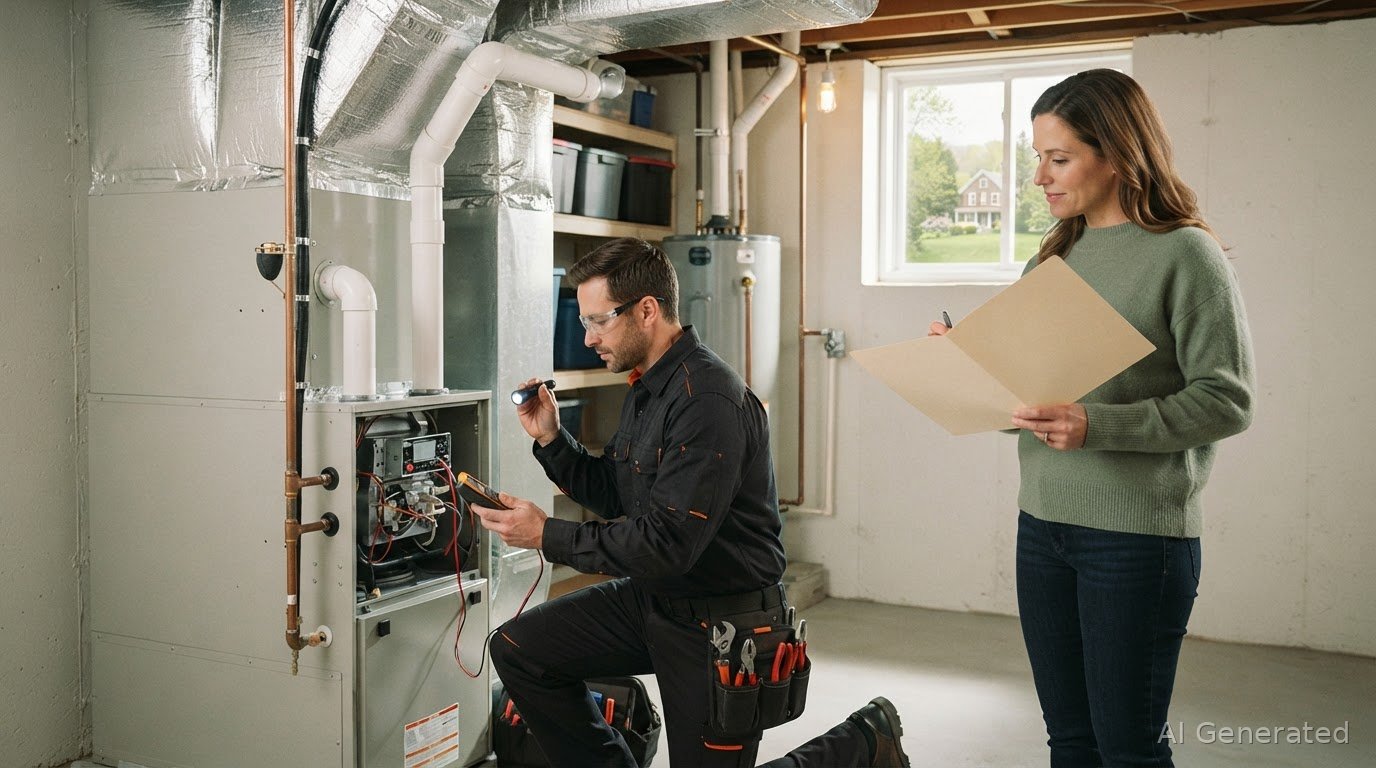
A little preparation can make a plumbing evaluation more useful, especially when a leak comes and goes or the pipe is out of sight. You don’t need to identify the cause or decide in advance whether repair or replacement is right. Your observations give the plumber a practical starting point for understanding what’s happening and discussing next steps.
What information should homeowners gather?
Start with a simple record of the symptoms. Note where you’ve seen moisture or visible corrosion, which rooms are affected, and when the concern tends to occur. If the same area has had a previous leak or repair, include that history. Repeated drainage concerns are worth noting too, along with whether they affect one fixture or more than one area.
Location: Identify the room and specific spot where you noticed a leak, stain, odor, or drainage concern.
Timing: Record when the symptom appears and whether it is constant, occasional, or recurring.
History: Note earlier problems or repairs in the same area, if you know about them.
Surroundings: Mention nearby finished walls, flooring, cabinets, or concrete that could affect access.
Photos can help you remember what a visible stain or damaged surface looked like, but don’t remove panels, cut into walls, or take plumbing apart to investigate. Leave concealed or difficult-to-reach areas undisturbed. An observation is helpful even if you’re not sure what it means.
What should a clear project discussion cover?
Ask for the proposed scope to be explained in plain language. The discussion should clarify which piping appears to be affected, whether the work under consideration is a localized repair or broader replacement, and what findings support that approach. If the concern is unclear, plumbing pipe leak detection may be relevant to the conversation, but you don’t need to determine the leak’s source yourself.
Keep pipe work distinct from access and restoration. Discuss which pipe sections the proposed work addresses, what areas may need to be opened to reach them, and how the plan accounts for surfaces affected by that access. This makes it easier to understand what the plumbing work includes and what additional work may be involved in restoring the area.
For homeowners in Orange County, NY, an evaluation can turn scattered symptoms into a clearer project discussion. The cost to replace cast iron plumbing depends on the actual condition and scope, so useful preparation means sharing accurate observations, not estimating the job on your own. All Types Plumbing, Heating & Air Conditioning LLC offers a free evaluation for plumbing concerns. Request a plumbing evaluation to discuss the concerns you’ve documented and the work your home may need.
Cast Iron Pipe Replacement in Orange County, NY: Choose a Clear Next Step
Recurring leaks, visible corrosion, or drainage concerns can leave you wondering whether a small repair will be enough or a larger project may be ahead. You don’t have to settle that question before asking for help. An evaluation can provide a clearer view of the concern and help frame next steps around the piping and conditions at your home.
What to expect from a free plumbing evaluation
All Types Plumbing, Heating & Air Conditioning LLC provides plumbing services, including leak detection and pipe replacement, in Orange County, NY. A free evaluation gives homeowners an opportunity to discuss what they’ve noticed and have the concern assessed. It can help clarify which piping may be involved, what access the work could require, and whether a focused repair or replacement scope merits consideration.
The evaluation is a starting point for understanding the project, not a promise of a particular diagnosis, work method, timeline, or final price. Sharing the location of symptoms, whether they recur, and any earlier work in the area can help keep the conversation specific. If replacement is appropriate, the scope should reflect the condition and extent of the affected piping, as well as access and restoration needs.
Before arranging an evaluation, it may help to have a few details ready:
Where you’ve noticed a concern: Include the room or area and the visible signs.
Whether it has happened before: Mention recurring leaks or drainage concerns and any related repairs you recall.
What surrounds the pipe area: Note finished walls, flooring, or concrete that could affect access.
These notes don’t need to identify the cause. They help explain the situation so the discussion can focus on the affected plumbing, possible scope, and practical considerations. The cost to replace cast iron plumbing depends on project-specific findings, so an evaluation is more useful than making a decision from a general price figure.
How to get in touch in Orange County, NY
Homeowners in Orange County, NY, can call 845-893-9010 to discuss a plumbing concern and arrange a free evaluation. If you’d like to learn more about the company before getting in touch, you can read its customer reviews on BBB.
Once you’ve gathered your observations, take the next step at a pace that feels right for your household. Request a free plumbing evaluation to discuss leak detection or cast iron pipe replacement with All Types Plumbing, Heating & Air Conditioning LLC. For additional information, check our webpage for our pre season specials.
Move Forward With a Clearer Plan
A plumbing concern can feel more manageable when the next decision is based on the work your home actually needs, rather than assumptions about what might be hidden behind a wall or beneath a floor. You don’t have to settle every detail before taking the next step. A clear conversation about the project can help you consider the scope alongside your household’s priorities and comfort.
The cost to replace cast iron plumbing is specific to the property, so focus on understanding the work before making a decision. Bring forward the questions that matter most to you, whether they concern the proposed scope, access, or how the work could affect your home. That discussion can replace some uncertainty with a practical path forward.
Arrange an evaluation for your plumbing concern and take the next step toward an informed decision. A clear plan starts with understanding your home.
Frequently Asked Questions
How much does it cost to replace cast iron plumbing?
There isn’t one dependable figure without understanding the property and project scope. The affected pipe length, its condition, how easily it can be reached, and any restoration work all shape the estimate. For example, piping behind finished surfaces involves different access considerations than piping in an open area. An evaluation can clarify the work involved. Orange County, NY, homeowners can request one to discuss their plumbing concern.
Is it better to repair or replace cast iron pipes?
Neither repair nor replacement is always the better choice. It depends on the location and extent of damage, whether the concern keeps returning, and the condition of nearby piping. A problem limited to one section may lead to a discussion about targeted repair. If findings point to damage across a broader area, replacement may be considered. An evaluation helps compare the options without assuming a repair will prevent future issues.
Can cast iron plumbing be replaced without opening walls or concrete?
It depends on where the affected piping runs and which approach suits the property. Some installations may require opening a finished wall, floor, or concrete to reach the pipe; other layouts may involve different access needs. Trenchless work shouldn’t be assumed suitable for every home. An evaluation can help identify likely access requirements and surfaces that may need restoration, so you can understand potential disruption before discussing a project plan.
What makes cast iron pipe replacement more complicated?
Concealed piping, difficult access, multiple affected sections, and restoring surfaces after the work can all add steps to a project. For instance, reaching a pipe behind a finished wall may involve more than removing and installing pipe, since the opened area also needs consideration. The home’s layout and observed pipe condition shape the work. That’s why a project-specific evaluation is more useful than a generic estimate for understanding what the job involves.
How can I tell whether my cast iron plumbing needs replacement?
Recurring leaks, visible corrosion, or repeated drainage concerns are reasons to seek a professional evaluation, but they don’t prove replacement is necessary. Symptoms alone can’t show the full condition of piping or establish the right scope. Note the room and location where each issue appears, when it happens, and whether it returns. Sharing those observations helps focus the evaluation without requiring you to diagnose the pipe yourself.
What should I ask during a cast iron plumbing replacement evaluation?
Ask which pipe sections appear affected and what findings support discussing repair or replacement. It’s also useful to ask what access work may be needed and whether surface restoration is included in the project discussion. If a concern has appeared in more than one room, mention that and ask how it relates to the proposed scope. Clear answers help you understand the plan without assuming a particular method, timeline, or price.
Does All Types Plumbing, Heating & Air Conditioning LLC serve Orange County, NY for pipe replacement?
Yes. All Types Plumbing, Heating & Air Conditioning LLC provides plumbing services, including pipe replacement, in Orange County, NY. Homeowners can request a free evaluation to discuss what they’ve noticed and the possible project scope. To talk about a plumbing concern, call 845-893-9010. Request a free plumbing evaluation to discuss your observations and possible pipe replacement next steps.

Comments